How to Play Stonewards
Wave defense, procedural mining, and forging — the full run loop explained.
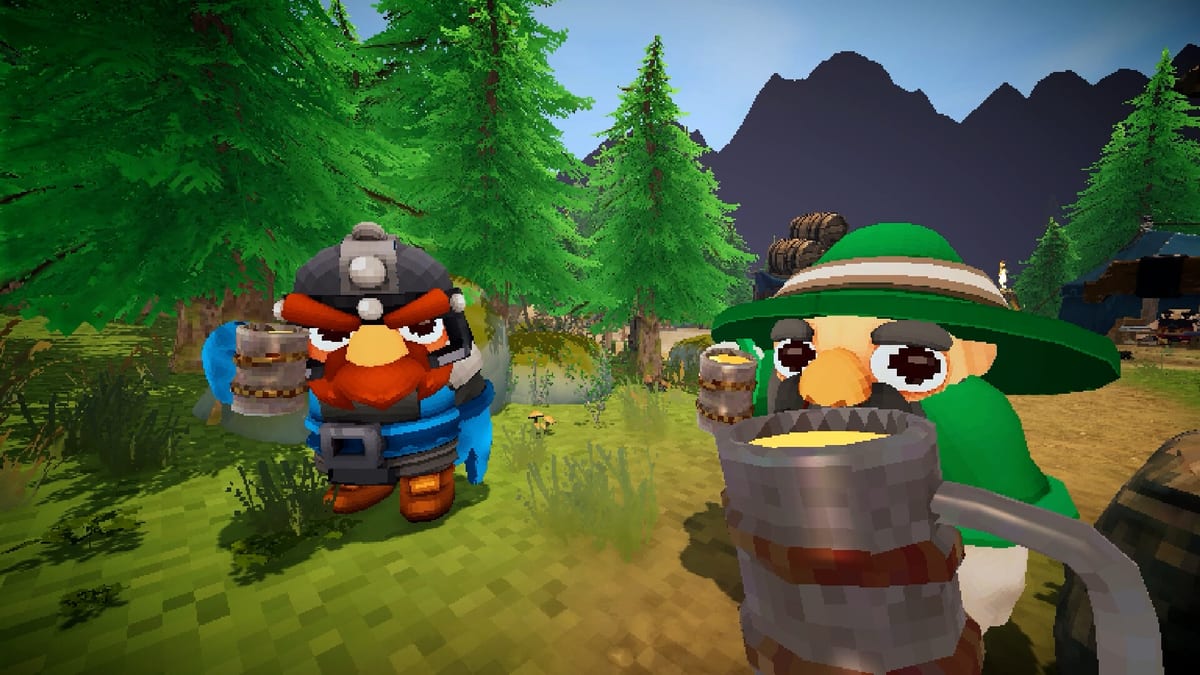
Stonewards combines first-person bastion defense with procedural cave mining and roguelite crafting. Developed by Banana Tiger Studio for Steam (app 4502710), it supports solo play or online co-op for one to four players. Understanding how waves, mines, and forges interact is the difference between a run that ends on wave three and one that pushes into harder mission tiers. This guide explains the full loop without assuming you have already read every specialized page on the wiki.
Core Run Structure
Each attempt follows a repeating cycle:
- Defend the bastion and King against a monster wave.
- Mine procedural caves for ore during the inter-wave window.
- Forge ammunition, repair walls, and choose upgrades.
- Prepare for the next wave with loaded weapons and patched lanes.
The run continues until the King dies or you achieve the mission’s success condition. King death is instant failure—there is no comeback phase once monarch health reaches zero.
Surface Phase: Waves and the King
Monster waves test your wall integrity, ammo supply, and positioning. Enemies path toward the King; broken segments and open angles become kill lanes. During waves you are generally not mining—you are shooting, repairing urgent breaches, and intercepting elites before they dump damage on the monarch.
Audio and UI telegraphs usually announce the next wave before it arrives. Use that window to finish reloads, relocate to a lane with pending repairs, and confirm teammates are surfaced if you are in co-op. Late returns from the mine leave allies short-handed; that social timing problem is as important as individual aim.
For lane management and repair order, see How to Defend the King. For enemy focus and weapon handling, cross-read Combat as those pages expand.
Underground Phase: Mining Windows
Between waves you enter caves to break ore nodes. Caves are procedural, so routes differ run to run. Ore is the currency of survival: without it you cannot craft enough ammunition or restore walls before pressure spikes.
Mining is risk-reward against the wave timer. Stay too long and you skip forging time or miss the start of the next defense. Leave too early and you starve the forge, entering the next wave with low ammo and no upgrades. Healthy runs pick predictable exit paths and ore types that match immediate forge needs rather than clearing every branch.
How to Mine Fast covers routing, callouts, and solo versus squad timing in detail.
Forge Phase: Crafting and Upgrades
Surface forges convert ore into practical power: bullets or equivalent ammo, wall repairs, traps or deployables where available, and randomized upgrades that bend your build toward damage, economy, or defense. Because upgrades are partly random, strong players prioritize baseline function first—enough ammo to shoot through the next wave and enough repairs to cover the primary approach—before gambling on luxury upgrades.
Upgrade choices interact with longer-term planning on the Builds hub. Early runs should not force a meta build; mid-run upgrades should fix your immediate failure mode (empty mag, collapsed wall, slow kill speed).
Hub Progression vs In-Run Power
Outside individual runs, a persistent hub offers characters, missions, and shop stock. Hub purchases and mission rewards carry between attempts; most in-run forge outcomes reset when the King dies or the run completes. New players sometimes treat every death as purely mechanical failure when they skipped hub gear or mission modifiers that would have smoothed the next try.
After several attempts, read How to Use the Hub so you spend currency and select missions deliberately instead of repeating identical naked runs.
Solo and Co-op Considerations
Solo players cannot delegate. You must mine, forge, and defend in sequence, which means conservative mine timers and pre-wave ammo checks are mandatory.
Co-op teams scale enemy pressure but gain role specialization. Communicate mine depth, ore type, and return ETA. One player greedily finishing a deep node while wave audio starts is a common team wipe source. How to Co-op in Stonewards lists role splits and recovery habits.
Win Conditions and Run Endings
Failure is simple: King death ends the run. Success depends on mission objectives selected from the hub or offered at run start—survive a wave count, protect through an escalation, or satisfy a scenario-specific goal. Treat mission text as part of your timing plan; survival-only mentality may fail objective-based missions even if the King still lives.
Practical Session Flow
A disciplined session loop for improving:
- Run once without hub spending to learn baseline damage.
- Identify whether you lost to walls, ammo, or mine timing.
- Read the specialized guide for that bottleneck.
- Spend hub resources targeting that weakness.
- Repeat with one adjustment per run—not five at once.
Use Controls to remove input friction and Tools for planners when available. Map knowledge helps you choose cave branches and bastion sightlines faster each run.
Demo and Early Access Context
Stonewards has a Steam demo ahead of Early Access (planned August 11, 2026). Wave counts, forge recipes, and upgrade pools may change. The loop described here—defend, mine, forge, repeat—is the stable design spine Banana Tiger Studio advertises; specific numbers will evolve in patches.
If you have not installed yet, start with Getting Started for first-run setup, then return here when you want the full system picture.
Frequently Asked Questions
Quick answers to the most common Stonewards questions.
What is the main objective in a Stonewards run?
Keep the King alive through escalating waves while mining ore and forging enough ammo and repairs to survive the next assault. King death ends the run immediately.
When should I stop mining and return to the surface?
Return when you have ore for baseline ammo and urgent repairs, or when wave telegraphs begin—whichever comes first. Late returns punish co-op teams especially hard.
Do upgrades persist after I die?
Most in-run forge upgrades reset on run end. Hub progression—missions, shop purchases, character unlocks—persists between attempts.
Is Stonewards only co-op?
No. Solo and online co-op for up to four players are supported. Solo requires stricter mine timing because you cannot split roles.
Which guide covers wall repair and choke points?
[How to Defend the King](/guides/how-to-defend-king/) focuses on bastion defense, while [How to Mine Fast](/guides/how-to-mine/) covers cave economy.
Where do I learn controls and keybinds?
See the [Controls](/controls/) page for default bindings and recommended settings before your first wave.